
LMS for Software & Technology Solutions

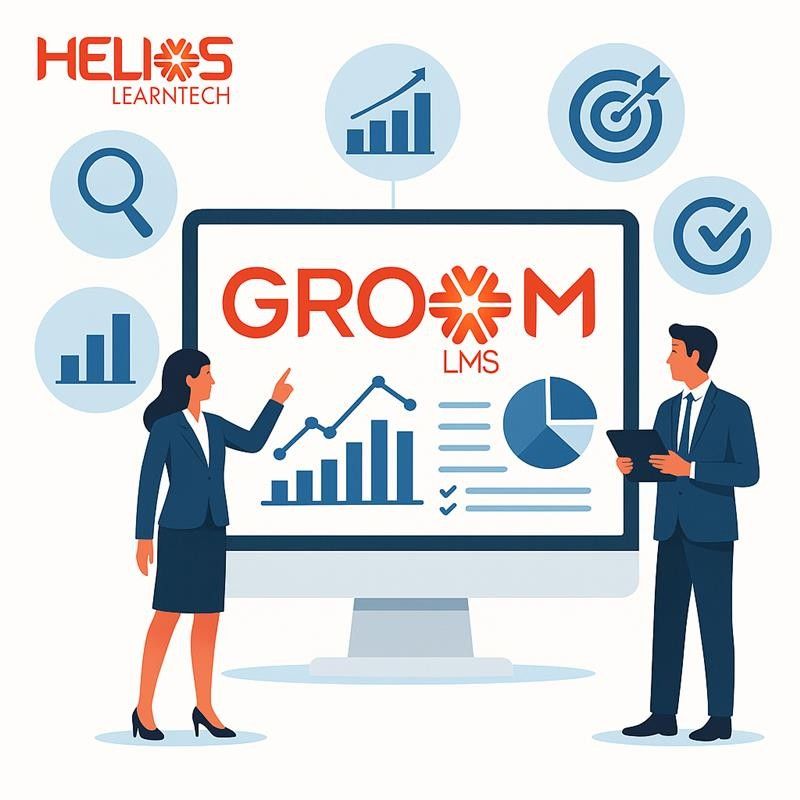
In the fast-moving world of technology, knowledge becomes outdated in weeks—not years. GroomLMS helps IT companies, SaaS providers, and software firms stay ahead with a learning platform designed to upskill and reskill the digital workforce. From technical certifications and product training to compliance and soft skills.

GroomLMS empowers organizations to ensure their teams are always future-ready. With cloud scalability and enterprise-grade security, your distributed workforce gets consistent, high-quality training no matter where they are.

elearning Solutions

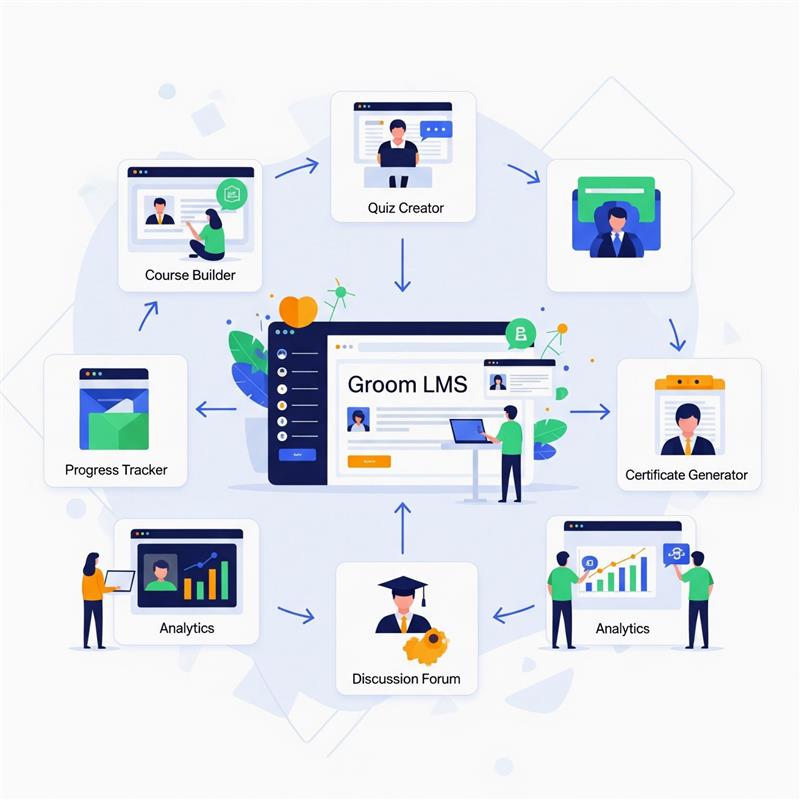
Tech companies thrive on speed, innovation, and adaptability. GroomLMS makes it simple to train employees, partners, and even clients with rapid deployment, interactive learning, and real-time analytics. Whether you’re rolling out a new product, ensuring compliance, or onboarding new developers, GroomLMS gives you the tools to deliver learning at scale.

By offering multi-format content delivery, gamification, AI-driven progress tracking, and integration with existing tools, GroomLMS reduces the learning curve and increases productivity. It’s not just an LMS—it’s your digital workforce enablement engine.

  • eLearning Solutions
  • Educational Software Solutions
  • Learning Management System
  • Online Education portal

Benefits of GroomLMS

Rapid Deployment
Healthcare
Tech-Specific Learning
Software & Technology
Global Scalability
Fintech
Skill Analytics
Education
Enterprise Security
Retail
Continuous Learning
Manufacturing

Our LMS Features


One Click Deployment

Quick Implementation | Cloud Hosting | Tenant Deployment | LMS Setup | Server Setup | Learning Management System

Know More
Talent Management System

User Management | User Permissions | User Roles | Cohorts | User Groups | Bulk User Upload
 

Know More
Knowledge Management System

Knowledge Bank | Content Bank | Data Repository | Content Storage | Course Contents
 

Know More
Course Management System

Category Management | Course Management | Bulk Course Creation | Course Reuse | Competency Frameworks | Learning Plans

Know More
Online Test & Assessment

Online Test | Assessment Management System | Assignment Management System | Online Exams | Offline Exams

Know More
Online Procturing

Exam Monitoring | Real Time Monitoring | Online Procturing | Class Procturing | Online Exam Procturing

Know More
Gamified LMS

Gamification | Grades | Badges | XP Points | Leaderboard | Achievements | Success Rate | Activity Completetion

Know More
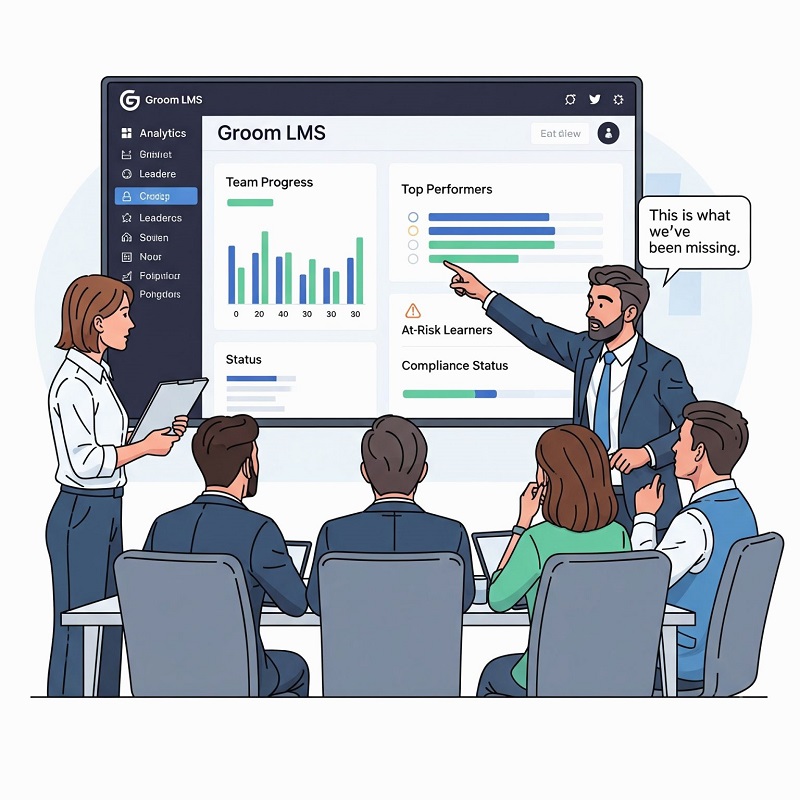
Advanced Reporting & Analytics

User Reports | Course Completetion Reports | Tutor Allocation Reports | Performance Metric | KPI'S

Know More
Automated Certificate Generation

Certificates | Completetion Certificate | Course Completetion Certificate | Multiple Certificate Fomats

Know More

Find training success with GroomLMS
Related Case Studies


Robotic Automation
Learning Management System
Best LMS Platform: Why GroomLMS Leads the Pack in 2025
Machine Learning
Gamified LMS
Transforming Corporate Training with GroomLMS 
Predictive Analysis
Advanced Reporting
Empowering Learning in the Digital Age with GroomLMS


Frequently Asked Questions


An LMS typically includes scalability and future growth features, allowing it to adapt to the changing needs of an organization. This can include the ability to add more users, courses, and features as needed, as well as the ability to integrate with other software and systems. A good LMS provider will be able to work with your organization to ensure that the LMS can meet your current and future needs.

The support and training offered by an LMS provider can vary depending on the provider. Some providers may offer online tutorials, documentation, and a knowledge base, while others may offer email, phone, and live chat support. Some providers may also offer on-site training and consulting services. It’s important to research the support and training options offered by an LMS provider before making a decision.

An LMS typically includes user management and permissions features, allowing administrators to control access to the LMS and specific course materials and features. This can include creating different user roles (e.g. student, instructor, administrator) and assigning specific permissions to each role.

An LMS typically includes a range of mobile access and offline access features, allowing students to access course materials.

Yes, an LMS can be used to deliver blended learning experiences, which combine online and in-person training.

An LMS typically includes a range of security and data privacy features to protect student and organization data. This can include encryption, user authentication, and secure data storage.

Yes, an LMS can be used to deliver both self-paced and instructor-led training. It can be used to deliver course materials, assessments, and quizzes, as well as track student progress and performance, and provide communication and collaboration tools for both self-paced and instructor-led training.

An LMS typically includes a range of reporting and analytics tools, allowing educators and trainers to track student progress and performance, generate reports on student performance, and identify areas for improvement.


<